

Industries
Our expertise enables us to provide an informed perspective on market challenges and oppertunity in these specific sectors
Telecommunications/IT
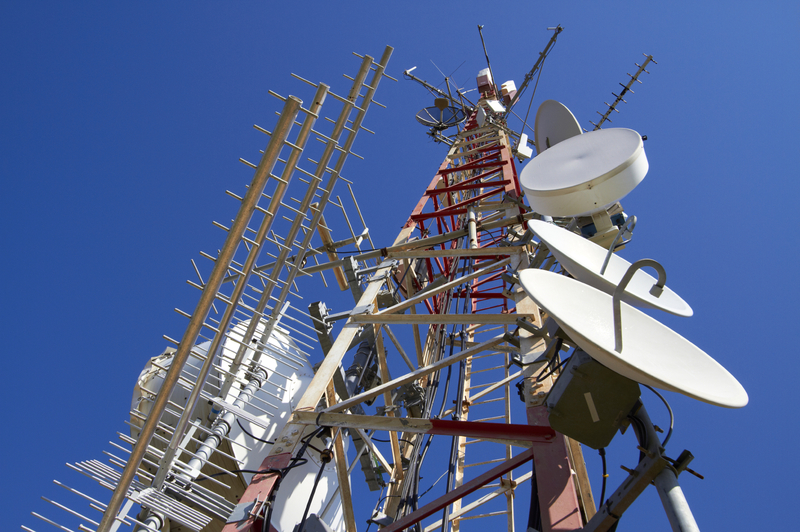
Telecom Trends
- 5G Expansion: Continued rollout of 5G networks enables faster connectivity, lower latency, and supports new digital services.
- Open RAN: Adoption of open and interoperable network architectures increases flexibility and reduces vendor dependency.
- Private Networks: Enterprises deploy dedicated 5G/LTE networks for secure, high-performance industrial and business applications.
- Network Automation: AI-driven automation improves network performance, reduces operational costs, and enhances customer experience.
- Edge Computing: Processing data closer to users enables real-time applications such as IoT, autonomous systems, and smart cities.
IT Trends
- Artificial Intelligence (AI): Organizations integrate AI and generative AI to automate processes, improve decision-making, and enhance productivity.
- Cloud Computing: Hybrid and multi-cloud strategies provide greater scalability, flexibility, and business resilience.
- Cybersecurity: Increased focus on zero-trust security, threat detection, and regulatory compliance protects digital assets.
- Data Analytics: Advanced analytics and business intelligence help organizations gain actionable insights from large datasets.
- Digital Transformation: Businesses modernize applications, automate workflows, and adopt digital technologies to improve efficiency and customer experience
SaaS (Software as a Service)

Trends in SaaS (Software as a Service)
- AI-Powered SaaS: Integration of generative AI and machine learning to automate workflows, personalize user experiences, and improve decision-making.
- Vertical SaaS: Industry-specific SaaS solutions tailored for sectors such as healthcare, finance, manufacturing, and retail.
- Composable SaaS: Modular applications with API-first architectures that allow businesses to customize and integrate services easily.
- Low-Code/No-Code Platforms: SaaS tools that enable users to build applications and automate processes with minimal coding.
- Usage-Based Pricing: Shift from fixed subscriptions to consumption-based pricing models that align costs with actual usage.
- Enhanced Security & Compliance: Stronger focus on data privacy, zero-trust security, and compliance with global regulations.
- Embedded Analytics: Real-time dashboards and analytics integrated directly into SaaS applications to support data-driven decisions.
- Multi-Cloud & Hybrid Integration: Seamless integration across multiple cloud environments to improve flexibility and avoid vendor lock-in.
- Customer Success & Personalization: Greater emphasis on user adoption, personalized experiences, and proactive customer support.
- Sustainability in Cloud Operations: Adoption of energy-efficient infrastructure and carbon-aware cloud practices to support ESG goals.
Healthcare & Medical Devices

Trends in Healthcare
- Digital Health: Increased adoption of telemedicine, remote patient monitoring, and digital health platforms to improve access to care.
- Artificial Intelligence (AI): AI supports diagnostics, clinical decision-making, medical imaging, and administrative automation.
- Personalized Medicine: Treatments are increasingly tailored using genetic, clinical, and lifestyle data for better patient outcomes.
- Value-Based Care: Healthcare systems are shifting from volume-based to outcome-based care models to improve quality and reduce costs.
- Interoperability: Better integration of electronic health records (EHRs) and healthcare systems enables seamless data sharing and coordinated care.
Trends in Medical Devices
- Smart Connected Devices: IoT-enabled medical devices provide real-time monitoring, predictive maintenance, and remote patient management.
- Wearable Health Technology: Growth in wearable devices for continuous monitoring of vital signs, chronic conditions, and fitness.
- AI-Enabled Diagnostics: Medical devices increasingly incorporate AI to improve diagnostic accuracy and workflow efficiency.
- Miniaturization & Portability: Smaller, portable devices enable point-of-care testing and home-based healthcare.
- Cybersecurity & Regulatory Compliance: Greater emphasis on securing connected medical devices and meeting evolving global regulatory requirements
Renewable Energy

Trends in Renewable Energy
- Solar and Wind Expansion: Continued growth in utility-scale and distributed solar and wind projects driven by declining costs and supportive policies.
- Energy Storage: Increased deployment of battery energy storage systems (BESS) to improve grid stability and support renewable integration.
- Green Hydrogen: Rising investment in green hydrogen production for decarbonizing industries, transportation, and power generation.
- Smart Grids: Adoption of digital grid technologies, AI, and IoT to optimize energy distribution, demand response, and grid resilience.
- Electrification: Accelerated transition to electric vehicles (EVs), heat pumps, and electrified industrial processes powered by clean energy.
- Distributed Energy Resources (DERs): Growth of rooftop solar, community energy projects, and microgrids that enable localized power generation and resilience.
- Carbon Reduction & Net-Zero Goals: Governments and businesses are increasing investments in renewable energy to achieve sustainability and net-zero emissions targets.
- Advanced Renewable Technologies: Emerging solutions such as floating offshore wind, next-generation solar panels, and enhanced geothermal systems are expanding renewable energy potential.
- Circular Economy: Greater focus on recycling solar panels, wind turbine components, and batteries to improve sustainability across the renewable energy value chain.
- AI-Driven Energy Management: Artificial intelligence is enhancing renewable energy forecasting, predictive maintenance, and operational efficiency for energy asset
Distribution

Trends in Distribution
- Digital Supply Chains: Adoption of digital platforms and real-time visibility tools to improve inventory management and operational efficiency.
- Warehouse Automation: Increased use of robotics, AI, and automated storage and retrieval systems (AS/RS) to enhance productivity and accuracy.
- Omnichannel Fulfillment: Integration of online and offline distribution channels to provide faster, more flexible order fulfillment.
- Last-Mile Delivery Optimization: Use of route optimization, micro-fulfillment centers, and alternative delivery methods to improve delivery speed and reduce costs.
- Data-Driven Demand Forecasting: AI and advanced analytics help predict demand, optimize inventory, and minimize stockouts or overstocking.
- Sustainable Logistics: Adoption of electric vehicles, eco-friendly packaging, and optimized transportation routes to reduce carbon emissions.
- IoT and Real-Time Tracking: Connected devices provide end-to-end visibility of shipments, inventory, and asset conditions throughout the supply chain.
- Resilient Supply Networks: Businesses diversify suppliers and distribution networks to mitigate disruptions and improve business continuity.
- Cloud-Based Distribution Management: Cloud solutions enable scalable, integrated management of inventory, transportation, and warehouse operations.
- Customer-Centric Fulfillment: Focus on faster delivery, order transparency, and personalized services to enhance customer satisfaction
Media

Trends in Media
- Streaming-First Content: Continued growth of on-demand streaming platforms, with increasing investment in original and exclusive content.
- AI-Driven Content Creation: Generative AI is transforming content production, editing, personalization, and audience engagement.
- Personalized Experiences: AI-powered recommendation engines deliver tailored content based on user preferences and viewing behavior.
- Short-Form Video Growth: Rising popularity of short-form video content across social media platforms drives audience engagement and advertising.
- Digital Advertising Evolution: Increased use of programmatic advertising, first-party data, and AI-driven campaign optimization in response to changing privacy regulations.
- Creator Economy: Growth of independent content creators, influencer partnerships, and direct-to-consumer monetization models.
- Immersive Media: Adoption of augmented reality (AR), virtual reality (VR), and interactive content to create engaging user experiences.
- Cloud-Based Media Workflows: Cloud technologies enable scalable content production, collaboration, storage, and global distribution.
- Data Analytics & Audience Insights: Advanced analytics help media companies understand audience behavior, optimize content strategies, and improve monetization.
- Content Security & Rights Management: Increased focus on digital rights management (DRM), cybersecurity, and anti-piracy technologies to protect media assets.

 Druckversion